
The Doors of Perception
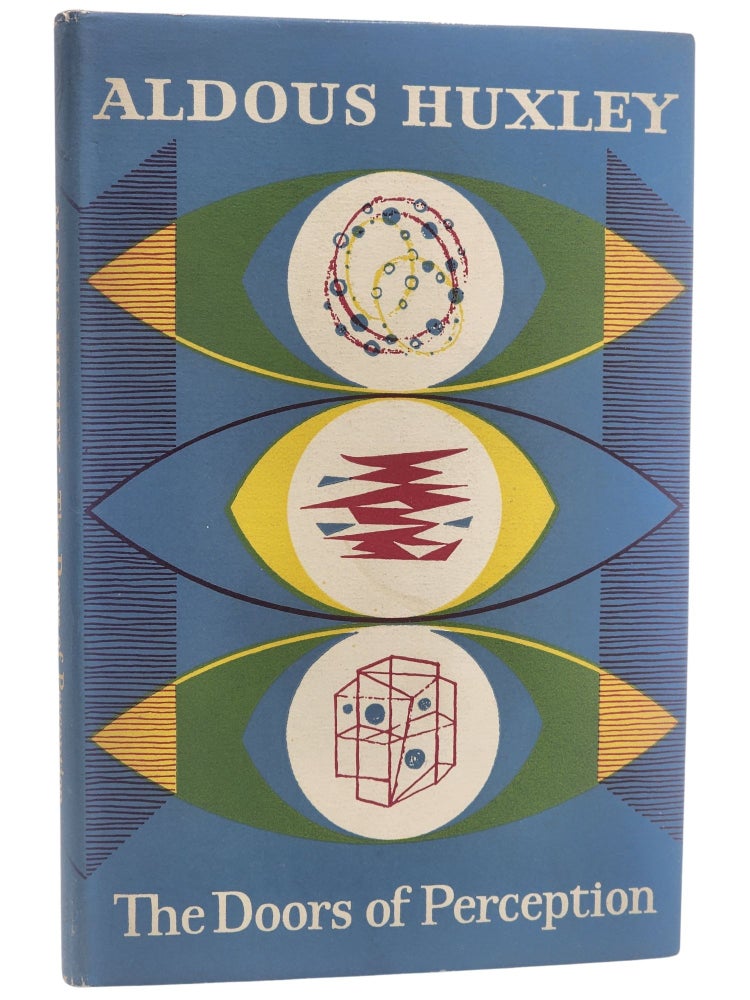
The Doors of Perception, is a non-fiction work published in 1954 that offers a firsthand account of Huxley's experience with the hallucinogenic substance mescaline. The title is inspired by a quote from William Blake's poem "The Marriage of Heaven and Hell." The book had an influence on the counterculture movement of the 1960s and was the inspiration for the naming of the rock band, The Doors..
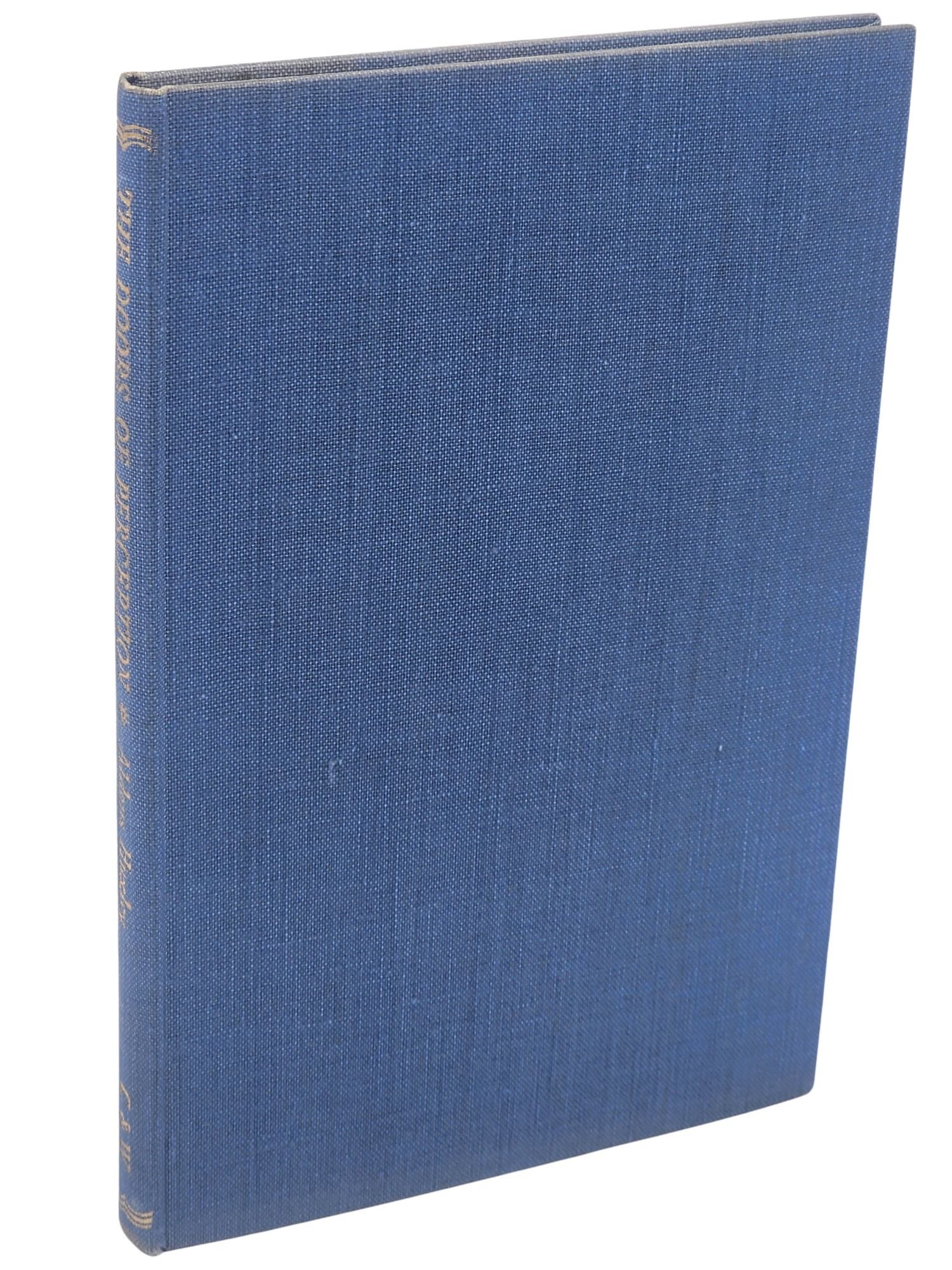
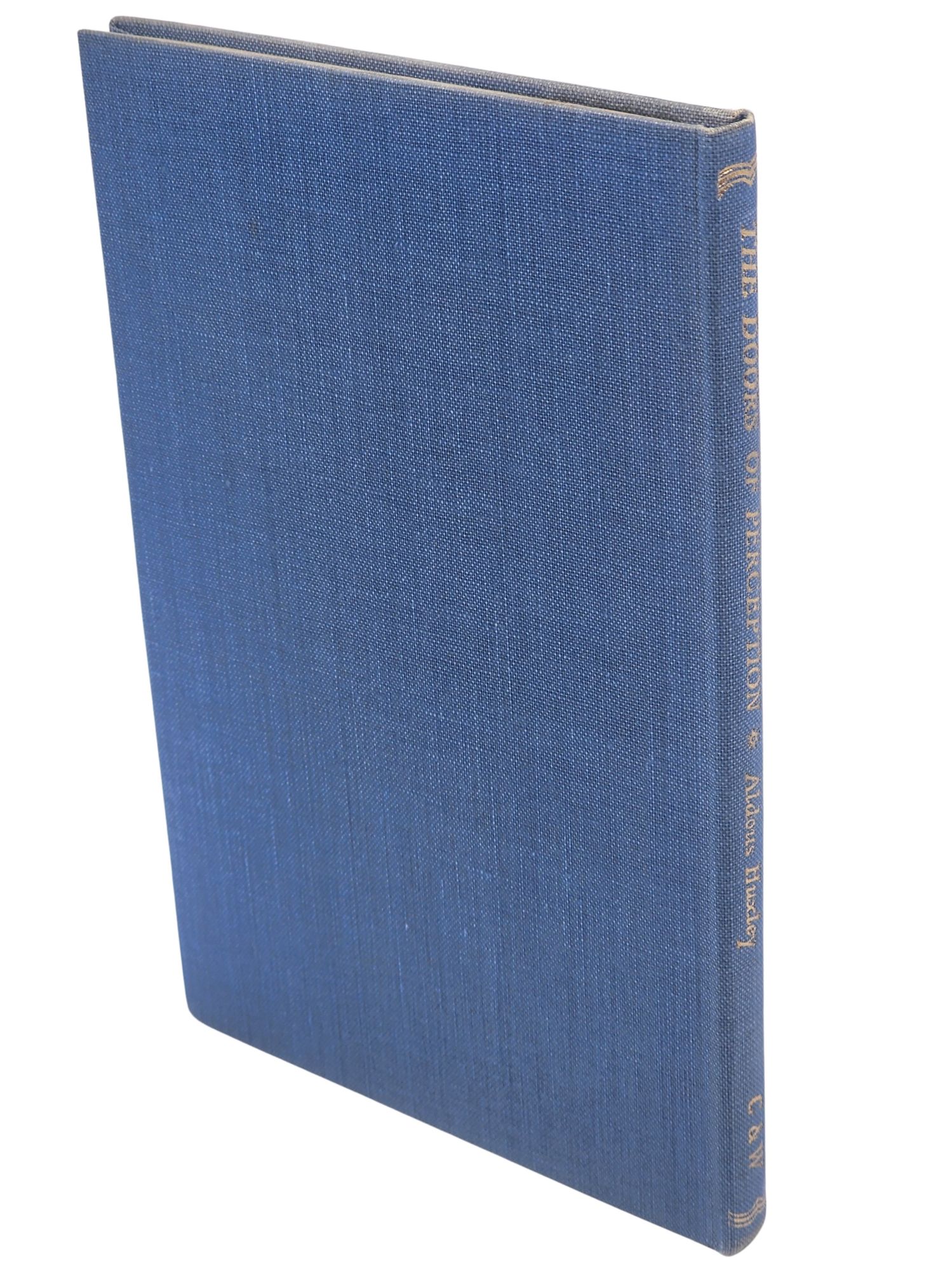
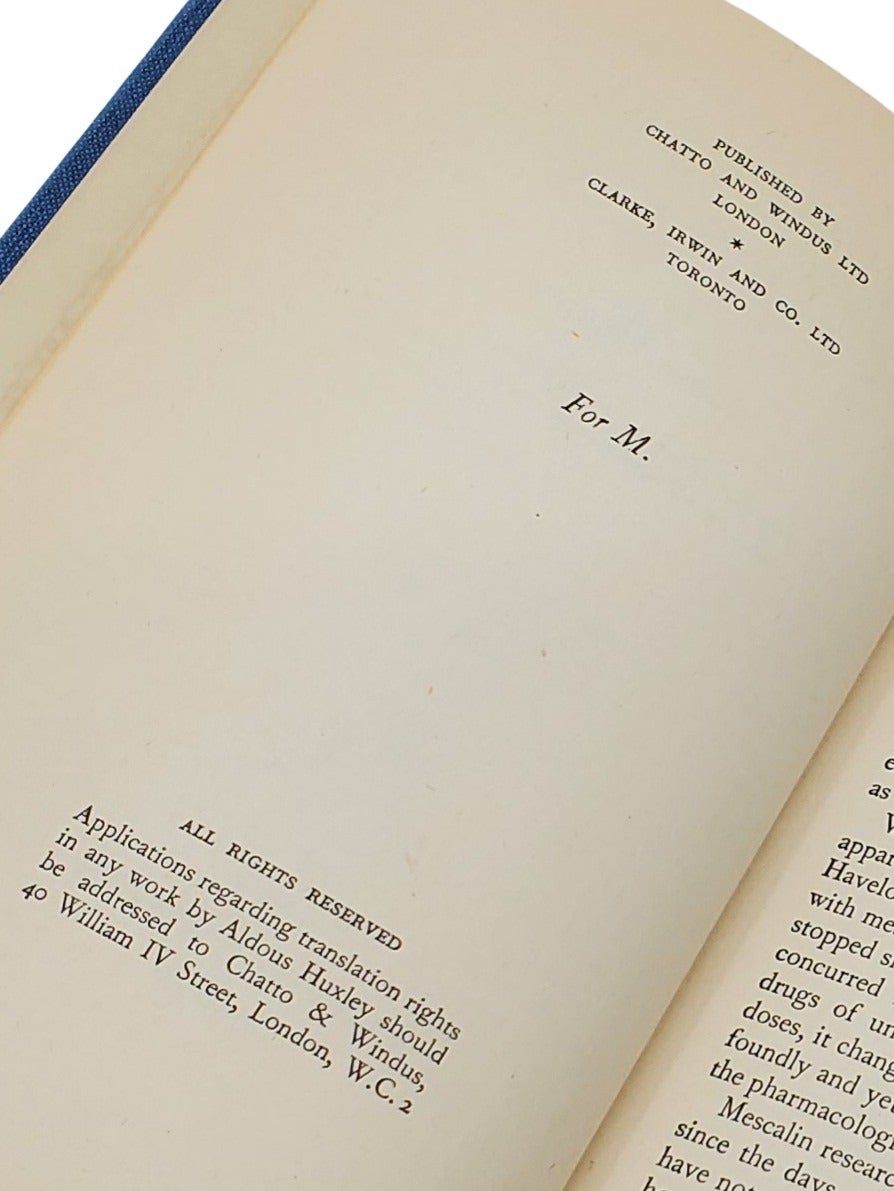
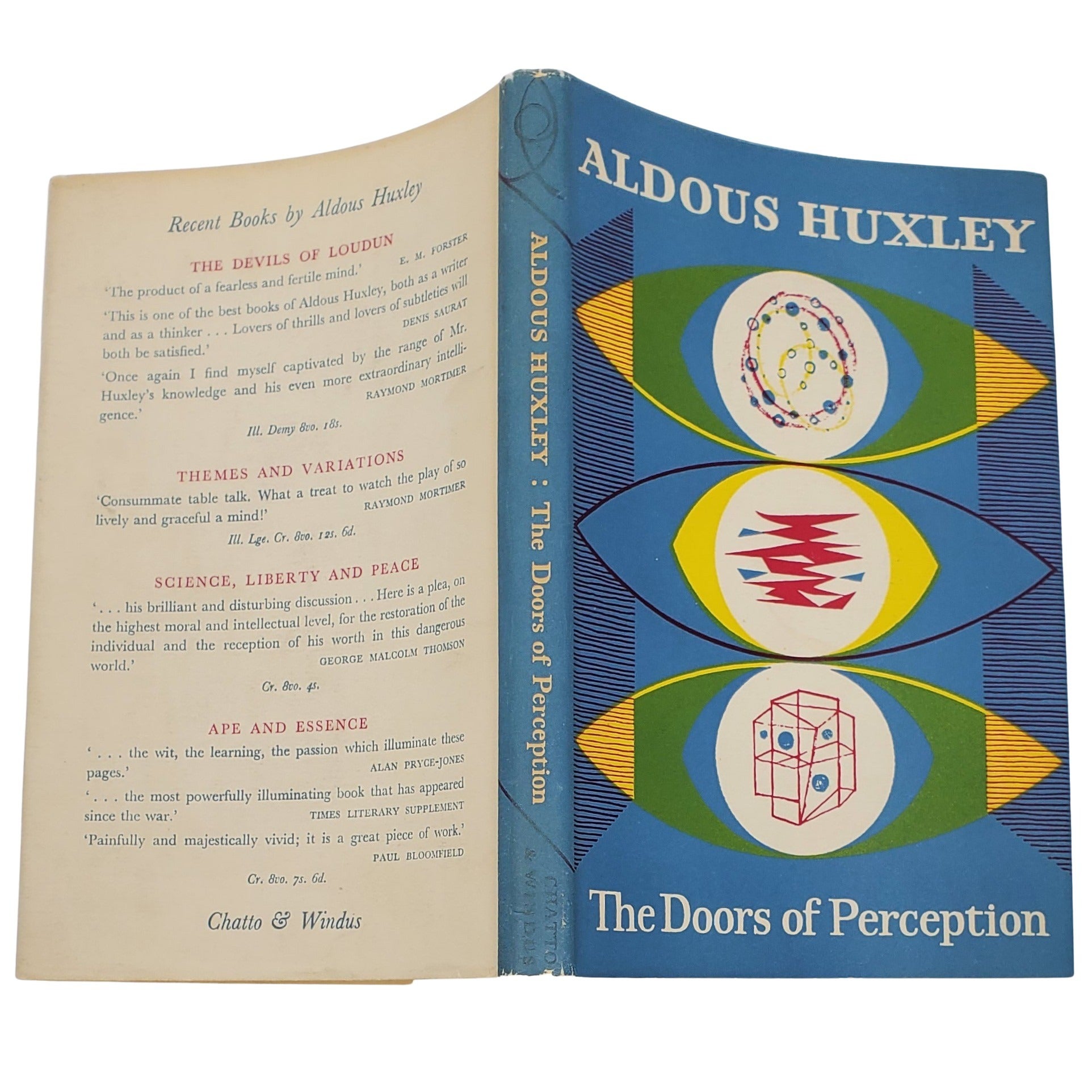
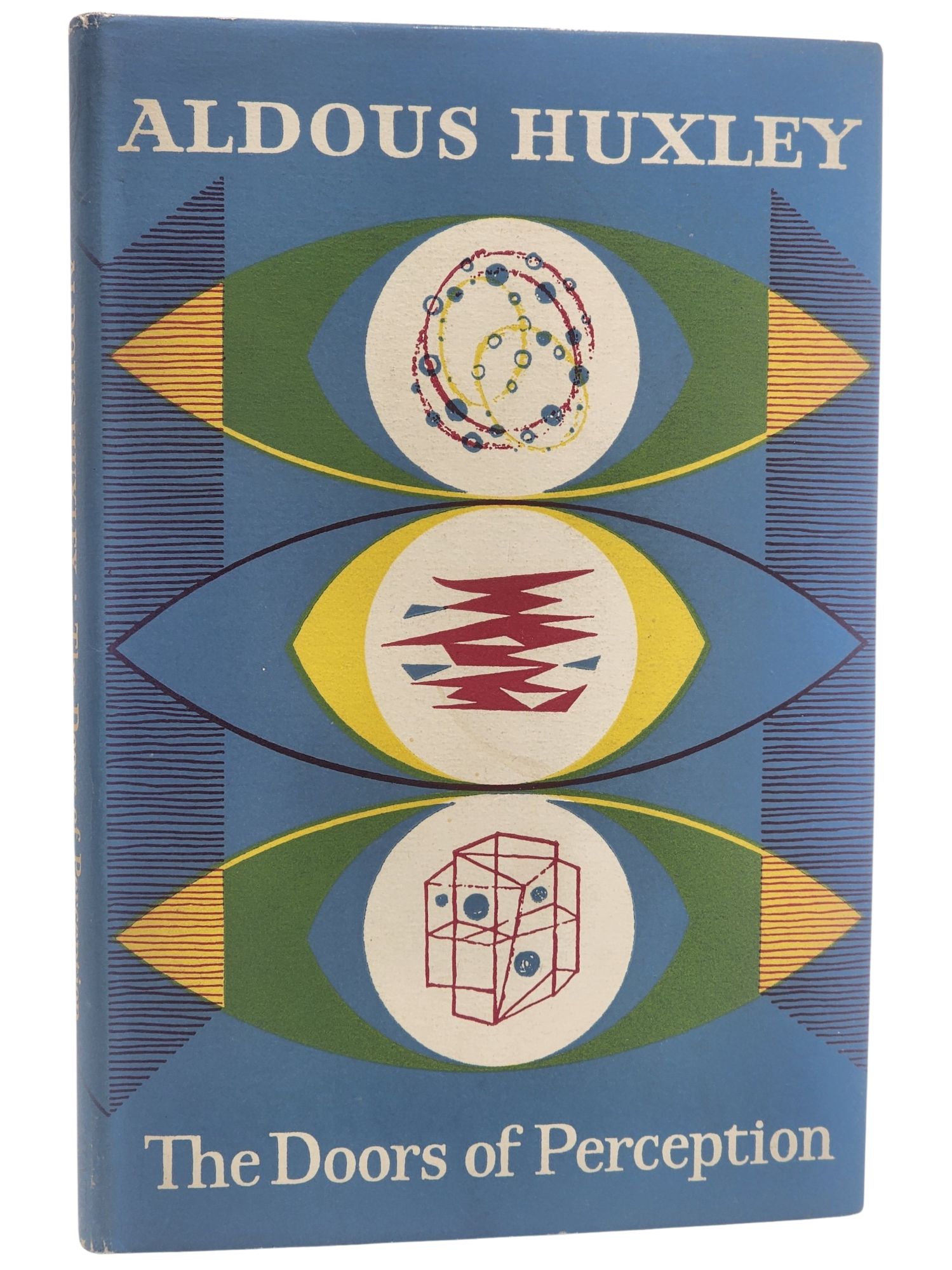
Hardcover. First Edition, First Printing. Octavo, bound in blue cloth with gilt lettering on spine. London: Chatto & Windus, 1954. #10211.
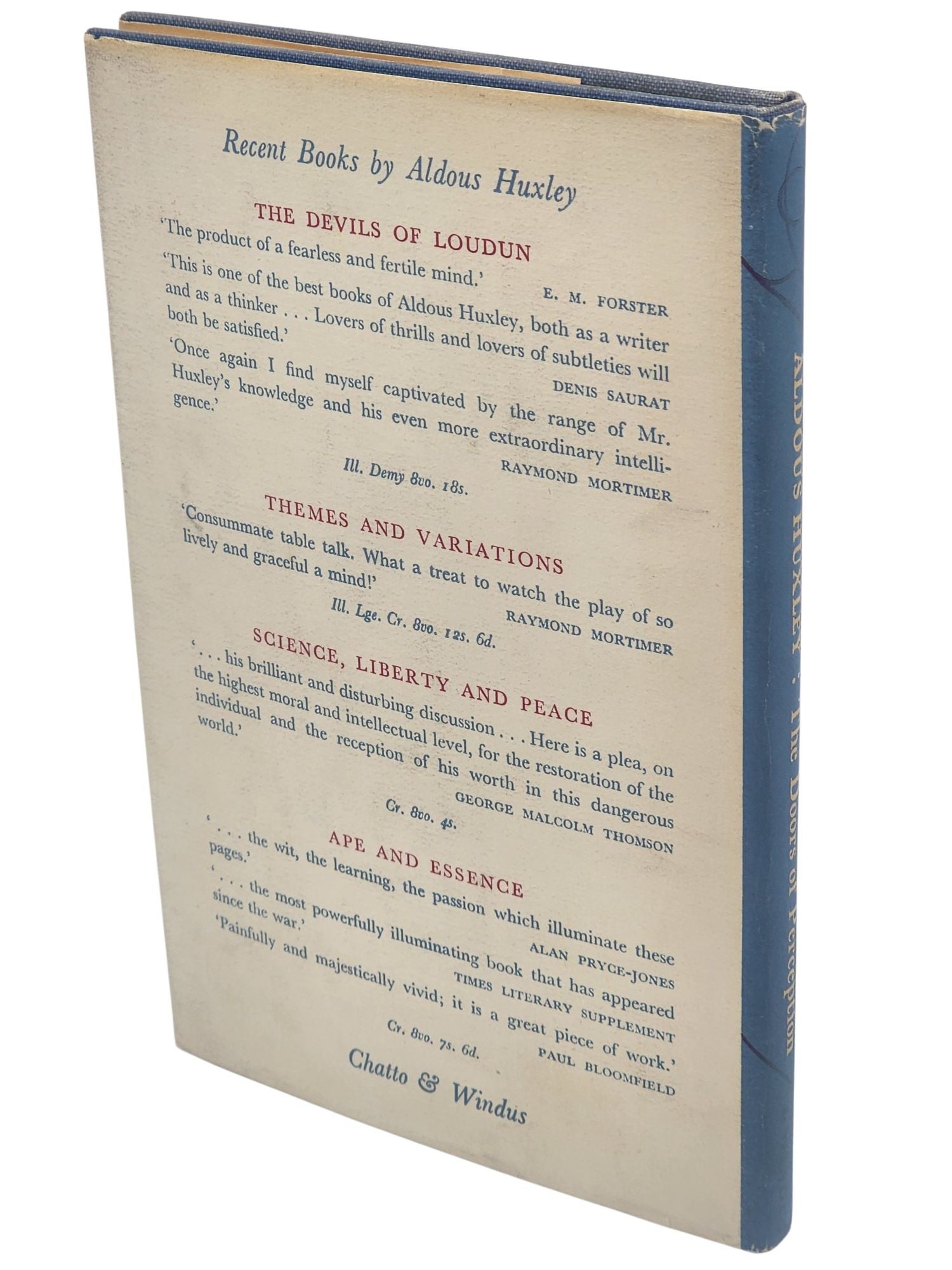
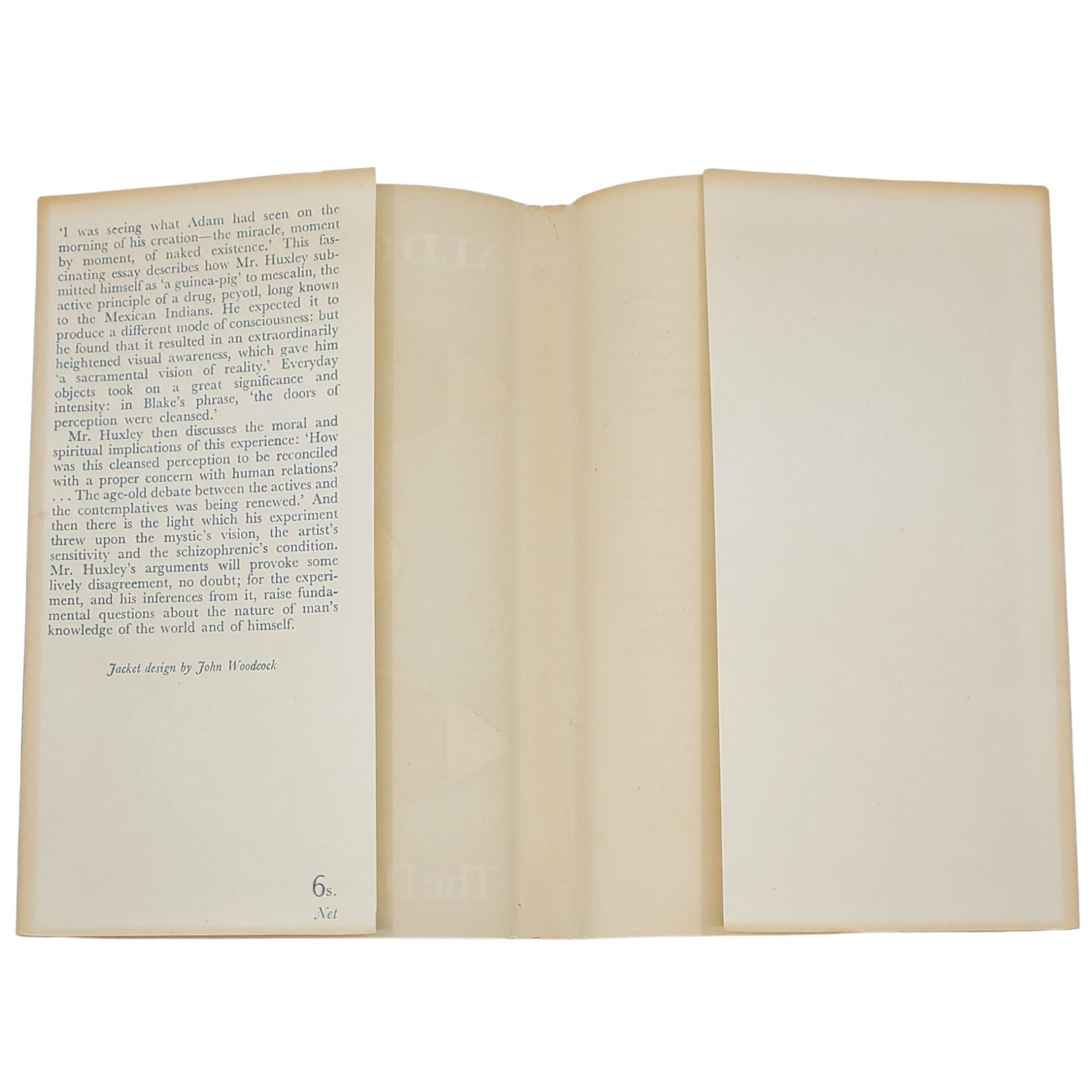
Trivial hints of shelf wear, with a little fading at lower spine end but overall, a lovely nearly fine copy in dust jacket.
Aldous Huxley's Doors of Perception, published in 1954, chronicles Huxley's personal encounter with the psychoactive substance mescaline. Drawing its title from a quote in William Blake's "The Marriage of Heaven and Hell," the book documents Huxley's introspective journey as he explores the altered state induced by mescaline.
Huxley vividly describes his heightened sensory perceptions, vivid visuals, and profound introspections during his experiment. Beyond the immediate experience, he delves into philosophical reflections on human consciousness, the nature of reality, and the limits of perception.
Remarkably, The Doors of Perception left an imprint on the counterculture movement of the 1960s. It influenced discussions on the intersection of spirituality, altered states of consciousness, and the quest for deeper insights. Notably, the rock band The Doors took its name from Huxley's work, exemplifying the impact of the book on pop culture and its enduring relevance in conversations about the boundaries of human perception and consciousness.